









Keeping a performance dog in shape year-round can be a challenge, especially in areas where nasty winter weather can force you inside for days or weeks on end.
But don’t despair. Although you can’t herd livestock with 6 inches of snow on the ground, and freezing rain makes setting up agility equipment impossible, you can still establish habits that will keep your dog fit until spring.
Exercise options
If your dog is used to vigorous exercise, be it catching flying discs, running around the agility course, or zooming to and from a flyball box, it will become physically frustrated, mentally disoriented and possibly stressed if you suddenly stop its normal exercise routine at the first cold snap. Dogs like their routines, and many – even well-adjusted athletes – don’t handle sudden change well.
Constant stress can be subtle. You might not realize that your dog is uncomfortable as a result of what you view as a reasonable change. Humans understand that cold weather means we sometimes can’t exercise outside, but we can’t explain that to our dogs.
Don’t stop exercising, just change how you do it. Keep your dog’s body healthy and its mind stable with one or more of these ideas:
Indoor training. Sign up for classes at a club or training school with indoor facilities. Some agility centers offer indoor lessons, so you can continue to practice during the cold months. (Your dog might have to get used to working indoors, where the surfaces, smells and noises are different from those outside.)
If agility isn’t your thing, try other activities, such as canine freestyle, where you and your dog perform choreographed routines to music. For a good workout, incorporate bending, jumping and trotting into the repertoire.
Swimming. One of the best forms of exercise for humans also benefits dogs. A quick Internet search shows that many metropolitan areas have indoor swimming centers for canines. Rental rates average just under $50 an hour for one dog. If your veterinarian has a hydrotherapy tank or can refer you to another facility in your area that has one, this can be another way to provide a water workout.
Hydrotherapy tanks with treadmills are frequently used to help dogs recover from joint, muscle, tendon and bone injuries. The dog is placed inside the dry tank, on a stationary treadmill. The tank is filled with water to about the dog’s mid-chest level, then the treadmill is turned on. The dog has to walk; otherwise it will bump into the tank’s back wall. Walking in water, like swimming, is a non-impact aerobic activity, so there’s no pressure on the joints.
Treadmills. If your dog is used to a heavy workout, you might want to purchase a treadmill for winter use. A treadmill offers a good cardiovascular workout, and some models incline so your dog can get an even better workout. However, treadmills cost several hundred dollars, so don’t buy one unless you’re serious about using it. Consider a model made for dogs that prevents hair and drool from damaging the equipment.
Walking. On nice days, go for an outdoor walk or run with your dog. Snowbanks can force you to travel in the street, so be aware of road conditions and traffic. Better, find a park with pathways where you won’t have to worry about vehicles.
Massage
Anyone who’s had a good massage knows how relaxing muscle manipulation can be. In many parts of the country, massage therapists can provide your dog a rubdown. You can also learn how to massage your dog yourself.
Look for someone who specializes in canine massage; massaging dogs isn’t the same as massaging humans. If you decide to do it yourself, get educated first. Don’t just blindly start rubbing your dog; you could do more harm than good. Simply patting or rubbing a dog can actually cause it to become stimulated, even if your goal was relaxation.
Diet considerations
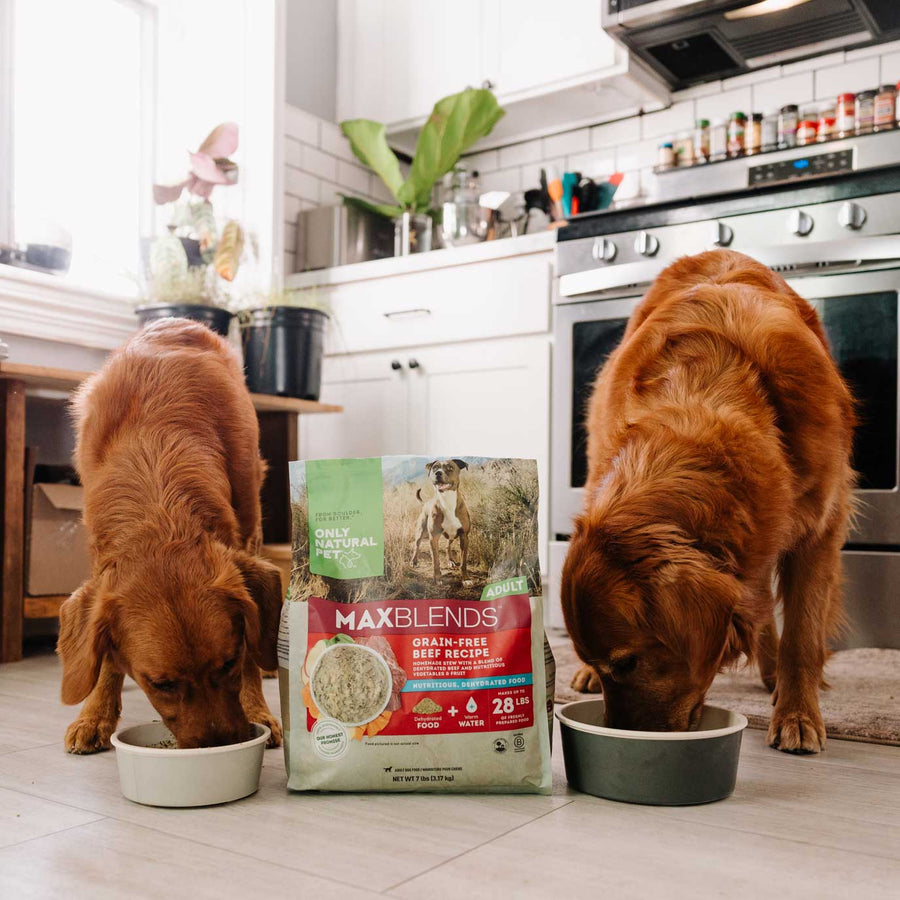
If your dog is lazing around more than usual this winter, curtail its food intake to avoid weight gain. Athletes often eat more than the average pet. If your dog isn’t working out consistently, it will put on pounds. Talk to your veterinarian or a canine nutritionist to find out the best amount to feed your dog to keep it healthy without creating a chunky chowhound.
Maryanne Dell, CPDT, is a Southern California writer, editor and dog trainer.