








Sponsored By
Do you weigh your dog frequently?
Yes
No
My dog gets weighed at the vet’s office


Click here to find great SWIFFER ® coupons and other fun promotions here!
More Info »
Printer Friendly Bookmark and Share

A Flea-Free Life

It’s possible when you target the big three: your dog, your house, and your yard.

Cathy M. Rosenthal

Kristin Nickell’s new home in Texas, was flea-free even though she had three dogs, Quest, Maxi, and Putz. But new neighbors moved in next door with flea-infested dogs. Her dogs were scratching themselves within a week.

“When the fleas started jumping from the carpet, I knew we were in trouble,” Nickell says. “My 5-year-old son would scream, ‘the fleas, the fleas,’ and run from the family room to his bed as fast as he could to avoid being bitten.”

Nickell put her dogs on a monthly preventive to kill the adult fleas and prevent eggs from hatching, used a flea spray on the dogs’ bedding to kill flea eggs, and vacuumed daily to snag about 50 percent of that day’s growing population. She also added nematodes, small microscopic worms, to the garden soil to eat the growing flea larvae, and spread diatomaceous earth, a natural powder made from fossilized marine life that dehydrates and kills adult fleas, on the lawn and garden beds. “I knew I would have to do a lot of different things to get rid of them,” she says.

While flea and tick infestations are irritating, they can also be a health concern for your dog. Pregnant, nursing, aged or sick dogs, and puppies are especially susceptible to parasite-related illnesses. Fleas can cause skin allergies and anemia, and can transmit tapeworms. Ticks can transmit Lyme disease and Rocky Mountain spotted fever, as well as other diseases.

Working on her 100-acre property in Texas, Cindy Healer says her dogs Tigger, Booger, and Gypsy spend their days confined to a three-acre yard and their nights sleeping in her child’s room. Healer uses a monthly flea preventive but nothing to prevent ticks.

“We sometimes saw a few ticks during the summer, and that was all,” Healer says. “It was always manageable.”

So imagine Healer’s surprise when she started seeing ticks all over her dogs. “I removed 20 to 30 ticks from them every night for weeks,” she recalls. “Even worse, the ticks were getting on my kids. It was horrible.”

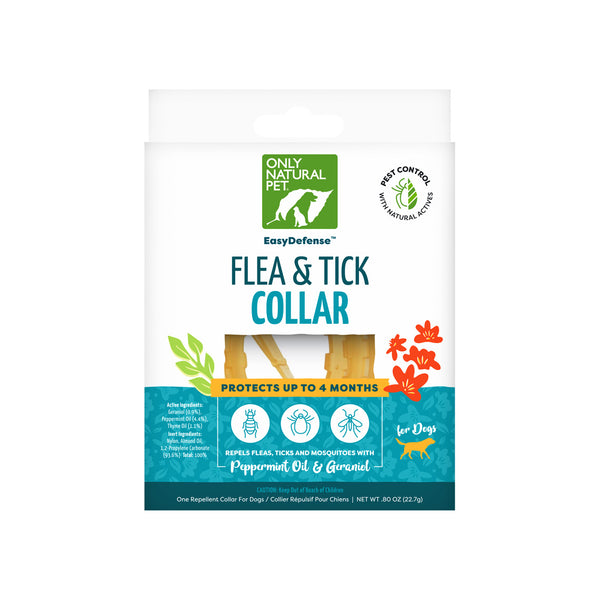
In addition to picking the ticks off her dogs, Healer applied a dip to their coats every 30 days and put tick collars on them. She also mowed the tall grassy area around the house to shrink the tick’s habitat.

“It felt like I was fighting a losing battle,” she says. “It took months to get things under control.”

What you’re up against
For Nickell and Healer, things escalated quickly. That’s because fleas can lay 50 eggs a day, and one blood-engorged tick can lay up to 8,000 eggs, depending on the species.

Unfortunately, killing adult fleas doesn’t even cut the population in half. To get things under control, dog owners must target fleas — from eggs to adults. Even if you banish all adult fleas and their eggs, fully formed fleas can hibernate in cocoons for up to 12 months, until vibration, noise, or heat indicates a host is nearby. This explains why fleas sometimes appear in an empty house that has been reoccupied.

While fleas and ticks share similar life cycles, they don’t share ancestry. Fleas are insects; ticks are in the spider family. Depending on the tick species, the life cycle from egg to adult can take from several months to more than a year. Unlike fleas that can jump about a foot high, ticks must attach directly to their host, so they wait in tall grass, brush, or in wooded areas for an animal or human to walk by.

Not a losing battle
With fleas jumping from the carpet and ticks hiding in the grass, be thankful that it’s 2007. “Flea and tick control is a lot easier today than it was 10 or 15 years ago,” says Ann Stohlman, VMD, veterinary medical officer for the Food and Drug Administration. “There are so many products available, and they are easy to use and apply. Consumers have a lot of choices, and products today are streamlined to address very specific needs.”

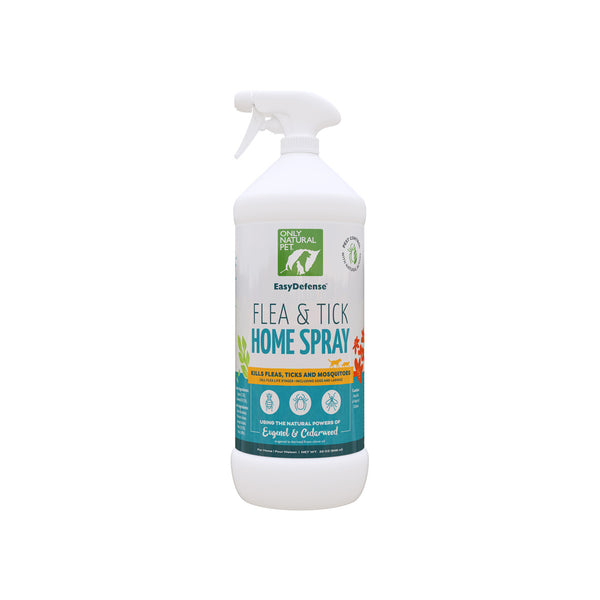
Today’s products range from oral medications and easy-to-use spot-ons to collars, sprays, and shampoos. Some products provide immediate relief, killing fleas in 30 minutes; others provide longer-term protection from these parasites.

To get fleas off your dog, out of your house, and out of your yard, use flea and tick products in combination with some common-sense strategies. Here are a few ideas to keep your dog and home free from fleas and ticks.

For your dog:

  • Use flea and tick control maintenance products year-round or during the peak season as advised by your veterinarian.
  • Groom and bathe your dog regularly to check for parasites.
  • Use a flea comb to remove adult fleas from your dog’s coat. Pull in the direction of the fur, and tap the comb in soapy water to remove fleas.
  • Keep dogs out of brushy, grassy, and wooded areas.
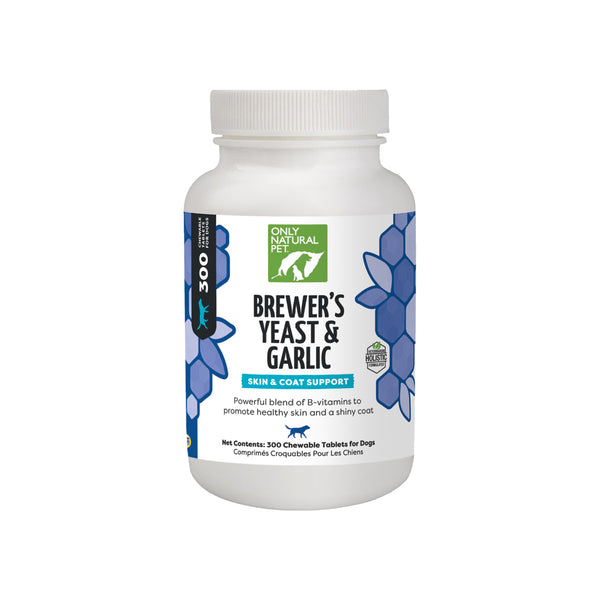
  • Add garlic (tablets, powder, or cloves) or brewer’s yeast to your dog’s food to keep biting fleas away. The amount given, however, depends on your dog’s weight. Ask your veterinarian to recommend the proper dosage before using these products. Small amounts of garlic won’t harm your dog, but too much can cause anemia and even toxicity.

In the house:

  • Vacuum frequently. Remove the vacuum bag, seal it in a plastic bag, and dispose after every use.
  • Slip a flea collar into the vacuum bag for added effectiveness.
  • Clean areas of your home that your dog inhabits regularly — a particular room, the garage, or basement.
  • Launder your pet’s bedding in hot, soapy water at least once a week.
  • Use indoor foggers to eliminate fleas in large areas.

In the yard:

  • Apply pesticides — granules or yard sprays — for long-term relief.
  • Keep your lawn mowed to decrease the tick habitat.
  • Restrict your pets’ outside activity to non-wooded areas and those with well-landscaped vegetation.
  • Introduce nematodes into the yard to eat flea larvae.
  • Spread diatomaceous earth, a nontoxic natural powder that dehydrates and kills fleas, on the lawn and garden beds. Wet these areas before applying the powder so that it will stick to the soil.

With so many products and treatments to choose from, the FDA urges dog owners to read labels before using anything on or around dogs.

“We don’t use cookie-cutter labels,” says Elizabeth Luddy, DVM, supervisory veterinary medical officer for the FDA. “The labels are tailored for each product and might have some restrictions based on a dog’s weight or age or health condition.” Also never use dog products on your cat, or expose your cat to them.

Heat and humidity can make flea and tick season worse. So depending on where you live and how much time your dog spends outside, fleas and ticks can be a challenge to control. Many safe, easy-to-use choices provide long-term protection for today’s dog. Fleas and ticks might be here to stay, but they don’t have to stay in your house or on your dog.

Cathy M. Rosenthal writes the pets’ column for the San Antonio Express-News, as well as a blog called Animals Matter at www.mysa.com. She has more than 18 years of experience in the animal welfare field.

 Give us your opinion on
A Flea-Free Life
Submit a Comment
Reader Comments
very good article.
mary, portland, ME
Posted: 9/10/2007 3:35:31 AM
Great article.
mary, portland, ME
Posted: 8/29/2007 2:36:53 AM
i think that this really works.its a realy good why to get rid of fleas and ticks.
johana, lancaster, CA
Posted: 8/9/2007 1:44:41 PM
Great information....thank you.
As a owner of 5 dogs and living in Miami, I always have this concern of fleas.....Can you tell me where to find "diatomaceous earth?
Judy, Miami, FL
Posted: 7/3/2007 6:49:06 AM
View Current Comments

Name:
Address:
City:
State:
Zip Code:
Email:

ABCs of Positive Training
Buy Now
Dog Bible
Buy Now
House-training Your Dog
Buy Now

Dogs & Puppies
Dog Activities dog shows, dog show news, Westminster, dog sports, dog fun, working dogs
Dog Breeds Labrabor Retriever, Golden Retriever, Yorkshire Terrier, German Shepherd, Boxer, Mixed Breeds
Dog Care dog vaccination, dog microchipping, dog grooming, dog neutering, dog spaying, dog nutrition, natural dog remedies, natural dog prevention, natural dog treatments, natural dog care success stories, fleas & ticks, dog obesity, senior dogs
Dog Diseases dog cancer, dog diabetes, dog epilepsy, dog hip dysplasia, sick dog
Dog Experts Allan Reznik dog breed expert, dog show expert, veterinary expert, dog grooming expert, dog training expert, Cesar Millan, dog adoption expert, dog rescue expert
Dog Magazines DOG FANCY, Dog World, Dogs for Kids, Dogs in Review, Dogs USA, Puppies USA, Popular Dog Series, Natural Dog
Dog Medication dog allergy medication, dog pain medication, dog anxiety medication, dog flea medication
Dog News entertainment news, dog laws, seasonal tips, good dog news, dog health news
Dog Pictures puppy pictures, funny dogs, cute dogs, dog breeds, sleeping dogs, silly dogs, small dogs
Dog Products dog bowls, dog crates, dog toys, dog beds, dog ramps, dog food storage, dog tags
Dog Symptoms dog vomiting, dog limping, dog diarrhea, dog bad breath, dog coughing, dog seizures
Dog Training dog aggression, dog barking, dog chewing, dog behaviorDog Whisperer, dog containment, housetraining
Living with Dogs dog travel, family dog, dog-friendly home, dog-friendly yard, dog style, dog trends, dog exercise
Puppies ready for a puppy, puppy health, puppy nutrition, puppy breeders, puppy training, socialization, housetraining, spay-neuter, new puppy checklist
More Dog Topics dog videos, dog books, Club Dog
DogChannel Facebook
DogChannel Twitter
Sponsored by


Hi my name's Lucky #155272~ Thank you everyone for DOTD!!

Visit the Photo Gallery to
cast your vote!