

Your E-mail:
Get the latest news, tips and
free advice every month
Cast Your Vote
Which group do you think the 2012 Westminster “Best in Show” winner will be from?
Local Guides


Printer Friendly Bookmark and Share

Controlling Fleas, Ticks, and Heartworm

Success lies in understanding the life cycle of parasites, and how active ingredients work.

Audrey Pavia

Page 3 of 4

Oral Dose Products
Another relatively new innovation in flea and tick control is oral medication. Oral dosage products are designed primarily to control heartworm, but some also contain the active ingredient of lufenuron, an insect growth regulator that prevents fleas from developing beyond the egg stage.

Nitenpyram is another active ingredient used in oral flea control. Nitenpyram inhibits insect-specific nerve receptors in the flea, and interferes with normal nerve transmission, leading to the insect's death.

Because these products are administered though the mouth, they have a systemic effect on the dog, meaning the ingredients are absorbed into the bloodstream and stored in fat cells. The flea receives a dose of the chemical when it bites the dog and ingests the treated blood.

Other Topicals
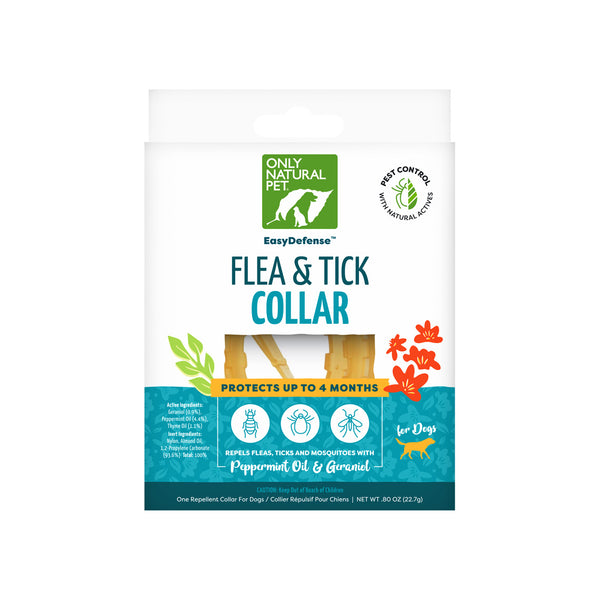
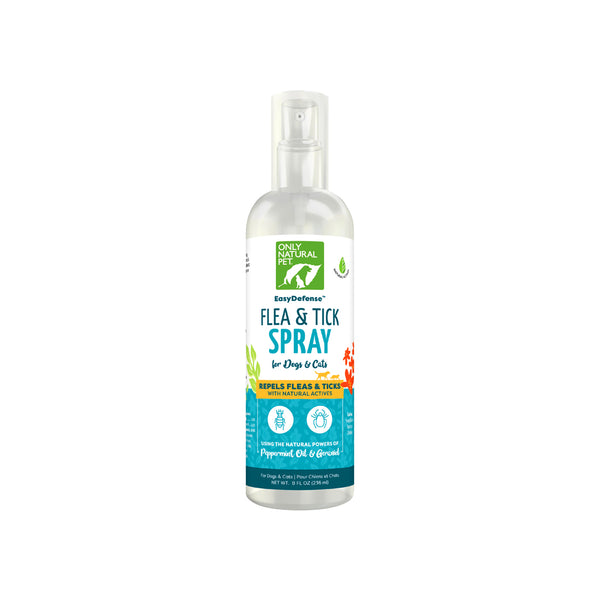
Traditional methods of flea control remain useful under various circumstances. These include shampoos, sprays, dips, powders, and collars, applied directly to the dog. Depending on application type and the active ingredient, the product will either have a residual effect of killing or repelling fleas and ticks, or will simply kill insects on contact during application.

Shampoos fall into both categories, with some effective only while the dog is being bathed, and others retaining their toxicity to pests for a period of hours or days after being applied. Shampoos often contain an ingredient that attacks the insect's nervous system the moment it makes contact. Debra Nickelson, DVM, in-house veterinarian and product manager for Farnam Veterinary Products Laboratories in Phoenix, Ariz., explains: "d-limonene is a natural insecticide from citrus peels and ... carbaryl is a carbamate insecticide that inhibits cholinesterase act-ivity. This results in the accumulation of acetylcholine at the neuromuscular junctions, causing rapid twitching of the voluntary muscles and eventual paralysis [of the insect]." Carbaryl is a broad-spectrum insecticide, and is also used in powders. Limonene, or d-limonene, is a citrus-based solvent found in many products.

Pyrethrins, too, are natural insecticides produced by certain species of the chrysanthemum plant, and are also a common ingredient in powders and shampoos. Each of these works to kill fleas on contact, but does not provide lasting repellency.

Another method of topical control is the use of an insect growth regulator, such as Nylar. This ingredient is found in some sprays, powders, shampoos, and other products. "Insect growth regulators disrupt the ability of the flea to produce viable eggs," says Nickelson. "It does not allow larvae to form protective chitin for their exoskeleton. IGRs also prevent a normal hormonal change that allows immature fleas to develop into functioning adults."

Page 1 | 2 | 3 | 4

Posted: Tue Feb 1 00:00:00 PST 2005

 Give us your opinion on
Controlling Fleas, Ticks, and Heartworm

Submit a Comment   Join Club
Earn 1,000 points! What's this?


Name:
Address:
City:
State:
Zip Code:
Email:

Dog Training Solutions
Buy Now
House Training
Buy Now
Border Collies
Buy Now
Become a fan of DogChannel on Facebook Follow DogChannel on Twitter Follow DogChannel on Google+ Follow DogChannel with RSS
Get social and connect with DogChannel.


Hi my name's Mica Mia #223930 Help me get 100 Votes!

Visit the Photo Gallery to
cast your vote!