




Your E-mail:
Get the latest news, tips and
free advice every month
Cast Your Vote
Which group do you think the 2012 Westminster “Best in Show” winner will be from?
Local Guides


Printer Friendly Bookmark and Share

On the Offense for Senior Dogs

Four proactive health strategies to implement now.

Jon Geller, DVM

Page 1 of 2

BoxerYou can make your dog's senior years healthier and more active with a few simple but effective strategies. Take these crucial steps now to help head off common canine geriatric problems:

Feed a high-quality senior diet.
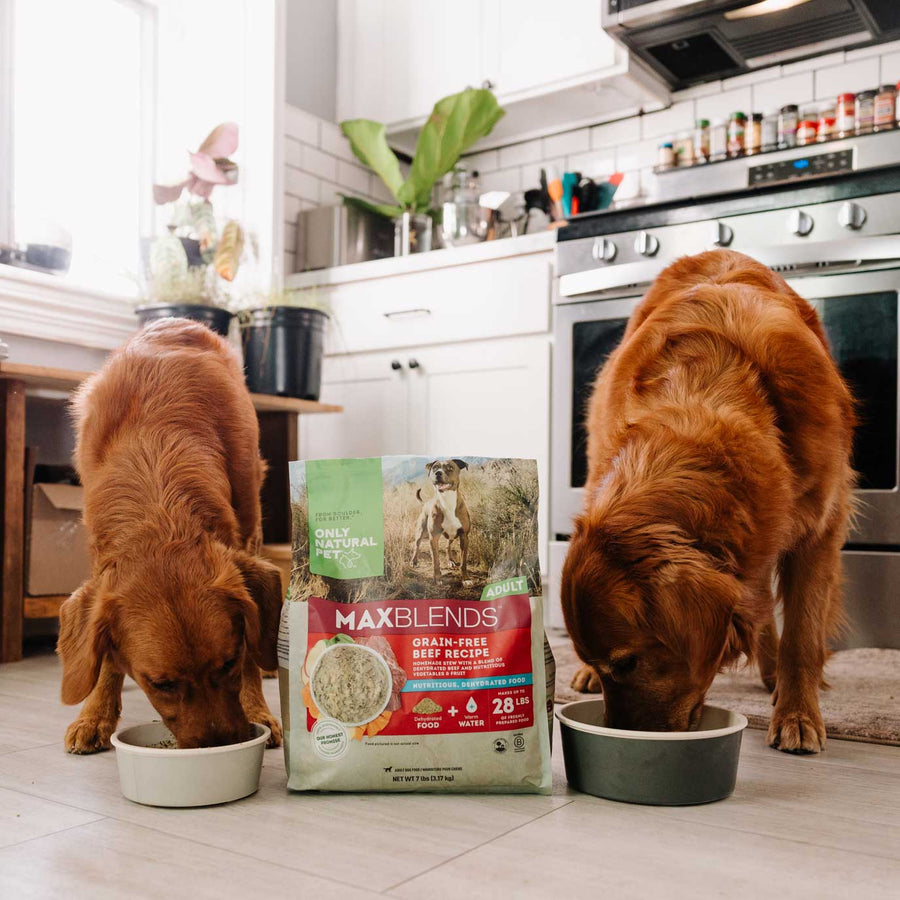
Many senior dogs are a little chubbier than they should be. Because obesity in dogs can lead to other health problems, such as arthritis and diabetes, don't delay in helping your overweight dog slim down with a high-quality weight-loss diet. If he's progressed beyond being overweight to true obesity, your veterinarian can prescribe a more calorie-restricted diet.

For older dogs at a healthy weight, commercial senior diets are formulated with correct mineral balances and additives to improve the coat. Senior dogs that have sensitive stomachs or possible food allergies will benefit from diets specifically formulated to reduce food sensitivity.

Select your senior's food carefully. At this time of his life, the link between a good diet and overall health is stronger than ever. 

Provide easy access to filtered water.
Senior dogs may dehydrate more quickly, which can lead to kidney disease and a dry coat. Encourage plentiful and frequent drinking by keeping cold, clean, filtered water in one or more places your dog can get to easily, especially if he's arthritic.

Improve dental health.
You may put off tooth brushing if your dog is less than cooperative, but understanding the benefits of good dental health may encourage you to work through the challenges. Advanced periodontal disease is the most common disease in senior dogs. The circulating bacteria it causes can lead to kidney, liver, and possibly heart disease.

Prescription or commercial diets with an abrasive coating on the dry food can help remove tartar. Senior dogs that enjoy chewing can gnaw on a variety of dental-oriented chew bones.

Most importantly, annual or biannual dental cleanings starting at about age 5 to 7 will prevent the onset of gum disease and the halitosis that goes with it. Your veterinarian will perform a complete scaling of all tooth surfaces, root planing (deep scraping) of tooth surfaces below the gums, and polishing.

Page 1 | 2

Posted: Fri Jul 2 00:00:00 PDT 2004

 Give us your opinion on
On the Offense for Senior Dogs

Submit a Comment   Join Club
Earn 1,000 points! What's this?

Reader Comments
Good article.
Deborah, Kissimmee, FL
Posted: 2/6/2011 9:50:04 AM
Informative article.
Deborah, Kissimmee, FL
Posted: 1/31/2011 9:13:38 AM
Good article.
Deborah, Kissimmee, FL
Posted: 1/28/2011 7:02:26 AM
very good article.
Deborah, Kissimmee, FL
Posted: 1/21/2011 9:08:56 PM
View Current Comments

Name:
Address:
City:
State:
Zip Code:
Email:

Border Collies
Buy Now
Australian Shepherds
Buy Now
Dog Training Solutions
Buy Now
Become a fan of DogChannel on Facebook Follow DogChannel on Twitter Follow DogChannel on Google+ Follow DogChannel with RSS
Get social and connect with DogChannel.


Hi my name's Mack -Thank you everyone who voted for me.

Visit the Photo Gallery to
cast your vote!