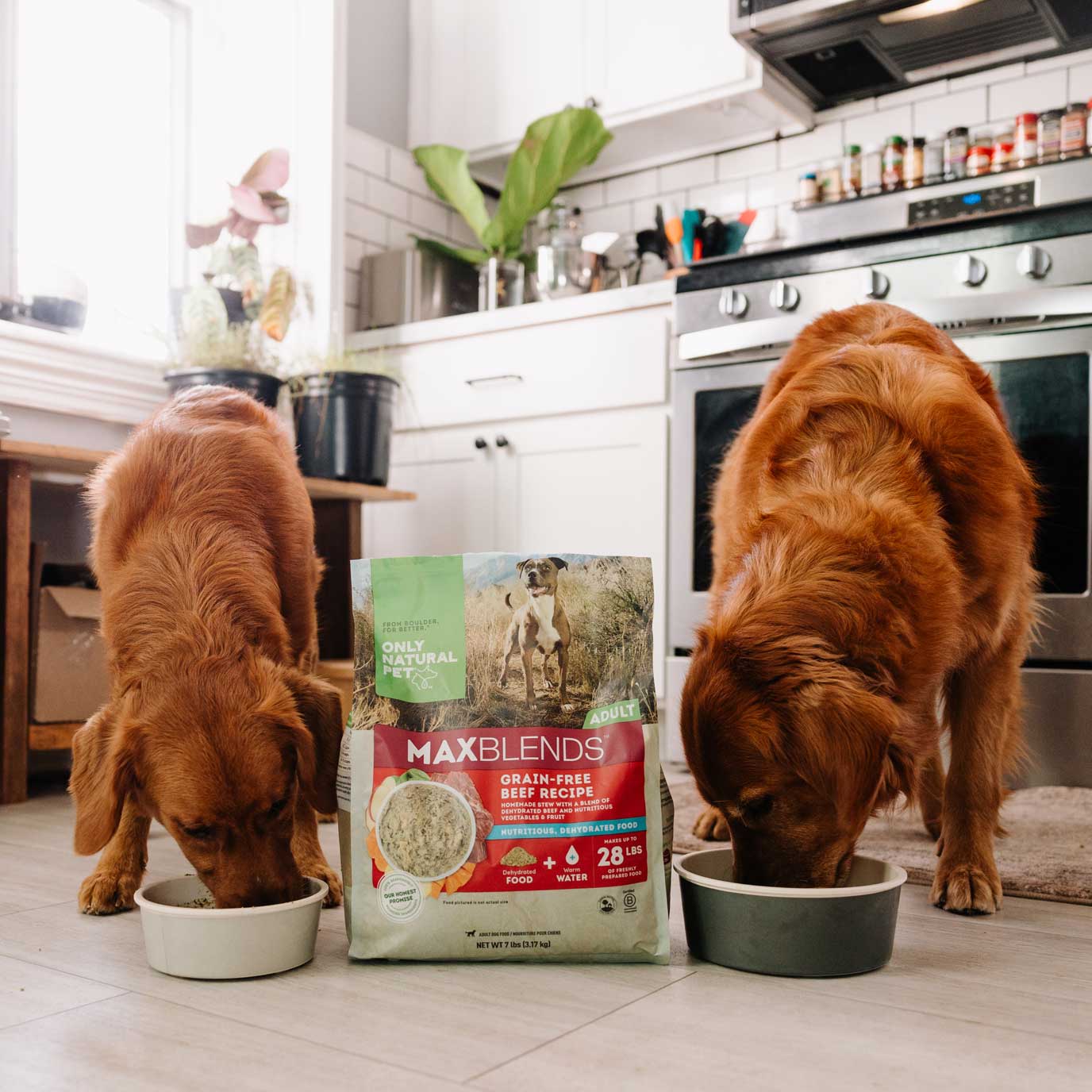
Every day you set down the food bowl and stoop and scoop later. What happens in between? How does your dog turn his food into more dog?
Nutrition refers to the process of ingesting and using food. Nutrients comprise the fuels in food that provide energy, drive growth, and repair damage. Your dog needs six basic nutrients: protein, fat, carbohydrates, vitamins, minerals, and water. Read on to discover how each one builds your dogs health and vitality.
Protein
Protein plays a major part in your dogs health, aiding in many functions. Explains Joe Bartges, DVM, American College of Veterinary Internal Medicine and American College of Veterinary Nutrition diplomate, Protein is used to heal wounds, to provide muscle strength, bone strength, and mass, to help maintain normal nerve and muscle function, and to make cells. It does all this by form[ing] enzymes that metabolize food into energy and hormones that regulate various body functions, such as salt and water balance, explains Bartges, also a professor of medicine and nutrition at the University of Tennessees Department of Small Animal Clinical Sciences.
Dogs that receive too little protein may exhibit poor growth, weight loss, dull coat, muscular wasting, and even death. Too much protein can stress the liver and kidneys if they're already damaged. Most important, though, too much protein probably means too little of something else in the diet.
Fat
Fat is an excellent source of energy. Fat contains approximately twice as much energy per gram as protein or carbohydrates, says Andrea J. Fascetti, VMD, Ph.D, and ACVN and ACVIM diplomate. As a high-energy source, fat is particularly beneficial for dogs that have difficulty keeping weight on, are fussy eaters, or do a lot of exercising, says Fascetti, also an assistant professor of nutrition at the University of California, Davis.
Additionally, fat contributes to palatability in food, is essential for healthy skin and coat, provides the body with necessary fatty acids, and helps with the absorption of fat-soluble vitamins.
Insufficient fat in the diet can result in many problems, including dry skin, a dull coat, poor reproduction, and inadequate development and growth in puppies. On the other hand, too much fat that is, energy that your dog stores rather than uses leads to obesity and health disorders associated with extra weight. These can include diabetes, pancreatitis, the exacerbation of hip dysplasia and knee problems, and kidney disease. Your dog probably responds to fats high flavor, but its up to you to monitor his intake.
Page 1 |
2