
Your E-mail:
Get the latest news, tips and
free advice every month
Cast Your Vote
Which group do you think the 2012 Westminster “Best in Show” winner will be from?
Local Guides


Printer Friendly Bookmark and Share

Balancing the Cavalier King Charles Spaniel

Feeding your cavalier the optimum amount of a nutritious food is essential to its health.

Karla S. Rugh

Page 4 of 6

Youngsters and Oldsters
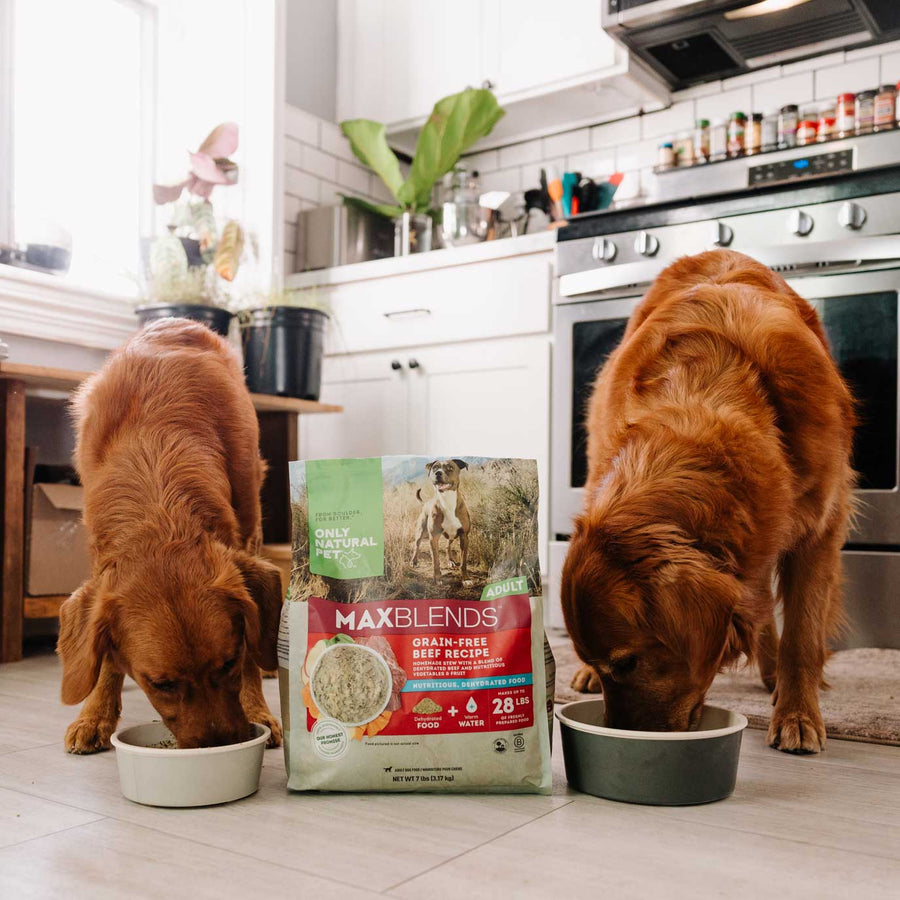
Cavalier puppies have different nutritional needs than adults, especially when it comes to protein, energy and the calcium-and-phosphorus balance. Protein is especially important for puppies because its essential for muscle and bone growth. Dry puppy foods usually contain about 25 to 35 percent more protein than adult maintenance foods.

Puppies also need lots of energy, but that doesn't mean you should let your Cavalier puppy stuff himself. That can quickly lead to obesity and some serious health problems. For example, excessive weight may cause your puppys skeleton to develop improperly. Overfeeding may also play a role in the development of hip dysplasia (an inherited malformation of the hip joint, which leads to arthritis), and other obesity-related health problems.

Puppies also differ from adult dogs in their requirement for calcium and phosphorus--minerals required for proper skeletal development and growth. Completely balanced puppy foods provide the appropriate amounts of calcium and phosphorus; supplementation isn't necessary and may even be harmful.

Puppies, with their small stomachs and high metabolic rates, need to eat several times a day in order to consume adequate amounts of nutrients. Feed puppies younger than 3 months of age at least four times a day. Feed puppies 3 to 5 months old three times a day. Puppies 6 months and older can be fed on an adult schedule of one or two meals a day. 

The nutritional needs of senior Cavaliers are affected by age-related changes in body function and by health problems, if present. Maintaining a proper body condition--neither too fat nor too thin--is a primary concern, as it is at every age. 

Dogs often gain weight as they age because their metabolism slows down and they become less active. If this sounds like your senior Cavalier, you'll need to adjust its diet to prevent a serious weight problem. Switching to a senior food is an easy way to accomplish this, since most of these products have less fat and fewer calories than food formulated for younger dogs. Many contain added fiber, which increases the feeling of fullness without adding calories.

Not all senior dogs are overweight. Some Cavaliers maintain a near-optimal body condition well into their senior years. A surprising number of senior dogs actually lose weight as they age. This weight loss may be caused by decreased food intake, which often occurs with chronic health problems--dental disorders, diabetes, cancer, heart or kidney disease, and many others. 

Page 1 | 2 | 3 | 4 | 5 | 6

 Give us your opinion on
Balancing the Cavalier King Charles Spaniel

Submit a Comment   Join Club
Earn 1,000 points! What's this?


Name:
Address:
City:
State:
Zip Code:
Email:

House Training
Buy Now
Dog Training Solutions
Buy Now
Cocker Spaniels
Buy Now
Become a fan of DogChannel on Facebook Follow DogChannel on Twitter Follow DogChannel on Google+ Follow DogChannel with RSS
Get social and connect with DogChannel.


Hi my name's Mica Mia #223930 Thanks for DOTD!

Visit the Photo Gallery to
cast your vote!