Your E-mail:
Get the latest news, tips and
free advice every month
Cast Your Vote
Which group do you think the 2012 Westminster “Best in Show” winner will be from?
Local Guides


Printer Friendly Bookmark and Share

Nutrition for the Cocker Spaniel

Learn how to properly feed the skin they're in.

Lexiann Grant

Page 2 of 5

Signs of skin problems include itching, flaking, psoriasis like patches, a rash or excessively oily areas on the skin. Does your dog have an odor? If so, then its diet may not be supporting the skin, Dr. Carey says.

Another health issue sometimes related to nutrition is the infamous Cocker ear. Because of their long, floppy ears, the breed has a tendency to get infections or irritations in this area. Like the rest of the body, the ear canal is covered with skin, so some ear troubles, excluding other diseases such as mites, can actually be the result of an inadequate diet. If, with regular cleaning, your Cocker still has an ear problem, it could be the food, Bravo says.

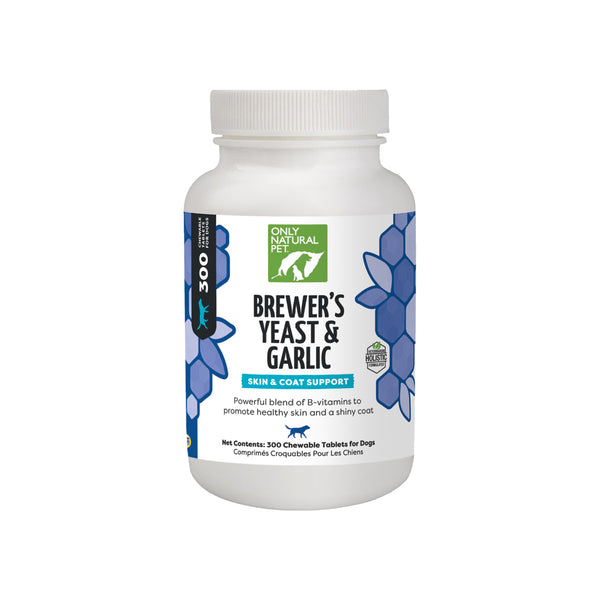
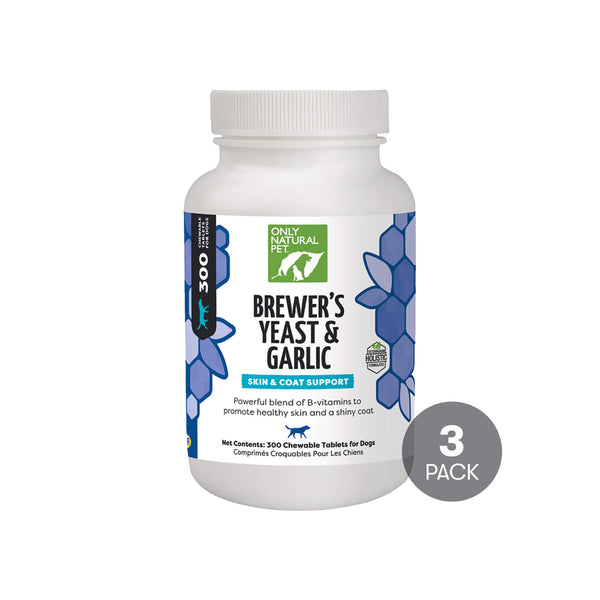
Because the composition of skin is closely related to that of hair, diet can also affect coat quality. Healthy coats shine and are resilient. Dull, brittle fur is a sign of an unhealthy coat that may be related to an insufficiency in the dogs diet. You can end up with a scruffy coat in two weeks if you don't have enough linoleic acid in the diet to maintain normal fur and skin moisture, says Dr. Carey.

The Cocker Spaniels skin isn't the only organ that can be affected by its diet. Some Cockers suffer from dilated cardiomyopathy, a life-threatening disease of the heart. In DCM, inflammation and scarring of the heart muscle occur, causing the heart to become enlarged. Dogs with this condition are short of breath, cough and may be weak. Congestive heart failure usually develops and can eventually cause death.

Results of a recent study that included Cockers indicated a direct relationship between DCM and low blood levels of taurine, an amino acid. The dogs were treated by supplementing their diet with taurine, or taurine in combination with l-carnitine, another amino acid. After a few months, these dogs showed improvement in heart function and exercise tolerance. When the supplements were stopped, the DCM did not recur.

Low levels of taurine are supplied in some dog foods, but the addition of higher levels of this amino acid should be supervised by a veterinarian. Cockers with DCM can also be given food containing darker meats, such as lamb, which has a higher natural level of l-carnitine.

Although not as common as in some other breeds, copper toxicosis, a disease of the liver, can also affect Cocker Spaniels. This condition, which may result in liver failure and death, is caused by the dogs inability to properly metabolize copper, allowing the mineral to build up to dangerous levels. Symptoms may include vomiting, abdominal pain, loss of appetite and weight loss. After diagnosis by a veterinarian, treatment consists of reducing copper and increasing the amount of zinc in the diet, plus drugs, such as zinc acetate or zinc gluconate, to remove copper from the liver.

Page 1 | 2 | 3 | 4 | 5

 Give us your opinion on
Nutrition for the Cocker Spaniel

Submit a Comment   Join Club
Earn 1,000 points! What's this?


Name:
Address:
City:
State:
Zip Code:
Email:

Chihuahuas
Buy Now
Dog Bible
Buy Now
Australian Shepherds
Buy Now
Become a fan of DogChannel on Facebook Follow DogChannel on Twitter Follow DogChannel on Google+ Follow DogChannel with RSS
Get social and connect with DogChannel.


Hi my name's Mica Mia #223930 Help me get 100 Votes!

Visit the Photo Gallery to
cast your vote!