Your E-mail:
Get the latest news, tips and
free advice every month
Cast Your Vote
Which group do you think the 2012 Westminster “Best in Show” winner will be from?
Local Guides


"Hartz Flexa-Foam Large Round About Gorilla Dog Toy (Large; 4.5"" L X 3"" W X 5"" H)"
Regular Price: $8.99
Sale Price: $7.19
Printer Friendly Bookmark and Share

From the Factory to the Bowl

What you should know about your dog’s food.

Sally Deneen

Knowing what to feed your dog may be one of the most confusing and conflicting areas of dog ownership. But it’s also one of the most important things you can do to positively impact your dog’s health and well-being. Here is a comprehensive guide to help you navigate the maze of canine nutrition, from choosing a food, reading a label and preparing a homemade diet, to staying up on commercial pet food recalls.

Choices abound
Store shelves heave with hundreds of dog foods, requiring choices beyond merely dry food versus canned. With so many offerings — exotic venison and bison, weight control formulas, dental diets, premium products, bargain fare and so on — how can you determine the best food for your dog?

Lots of pet owners don’t take at face value the claims they hear, whether from manufacturers, critics or ordinary websites purporting to offer expert advice. But there are some basic guidelines to consider:

Know your dog’s age, size and activity level. A gangly puppy with growing bones needs up to twice the energy intake as an adult, so choose a food formulated for pups. Small breeds — under 20 pounds — reach adult size in nine months to a year; giant breeds may take until age 2. Adult dogs with normal activity levels need a lower-energy diet, so look for foods marked with the term “maintenance.” Ask your veterinarian for guidance on whether to switch to a food specially formulated for seniors when your dog gets older. Generally, senior status occurs when dogs less than 50 pounds reach age 7, large dogs hit age 6 and giant breeds mark their fifth birthdays.

Healthy dogs need a high-quality, balanced diet. Dry or canned or pouch — it’s your call. Pick a brand that you’ve heard of, advises Ana Hill, DVM, Ph.D., who lectures on nutrition at Ohio State University Department of Animal Sciences. Most well-known brands devote research to the product and have quality controls in place, creating consistency from container to container and better accountability, she says.

Look at the ingredients panel. Choose a food with the words “AAFCO” — the Association of American Feed Control Officials — printed on the label. This means the food meets the basic requirements for providing complete, balanced nutrition for dogs. Also check out the top four or five ingredients listed. Maybe you don’t want your dog eating “animal byproducts,” which may contain feet, heads and other parts — though the protein quality sometimes is superior to muscle meat, according to FDA Consumer magazine. Or maybe you prefer foods with natural preservatives such as vitamin C instead of BHA or BHT — though natural preservatives have a shorter shelf life. Go with a food whose ingredients you’re comfortable with. As long as the AAFCO assurance appears on the label, it’s really a matter of personal preference.

It is worthwhile, however, to keep an eye on which ingredients potentially contain the toxins that prompted the latest pet food recalls, advises board-certified veterinary nutritionist Tony Buffington, DVM, Ph.D., a diplomate of the American College of Veterinary Nutrition and professor of clinical nutrition at Ohio State University Veterinary Hospital. Until the U.S. Food and Drug Administration has assured consumers that the melamine-tainted wheat gluten and rice protein ingredients are no longer being used in pet foods, “I would not” feed products containing them, Buffington said in May. (To see a list of recalled dog foods, go to www.fda.gov)

Price isn’t everything. The most expensive foods aren’t necessarily best. Price is the last thing to consider. Nutrition and quality aren’t necessarily higher in pricier foods, Hill says. A better judge: Does the bag or can mention AAFCO, meaning the food is formulated to be complete and balanced? Foods that meet or exceed standards are generally priced in the same ballpark — $1 to $1.50 per pound for dry dog food; 75 cents to $1 for canned food, Hill says. “Premium,” “natural” and “gourmet” are marketing terms that aren’t regulated and have no standard meaning.

Keep your dog’s health problems in mind. Ask your veterinarian whether a special diet is advisable for your pet’s health issues. For instance, does your dog’s breath smell foul because of gum disease, which can lead to infections and other issues? The Veterinary Oral Health Council gives its seal of approval to 11 dog foods and treats that meet standards for retarding plaque and tartar (www.vohc.org/accepted_products.htm).

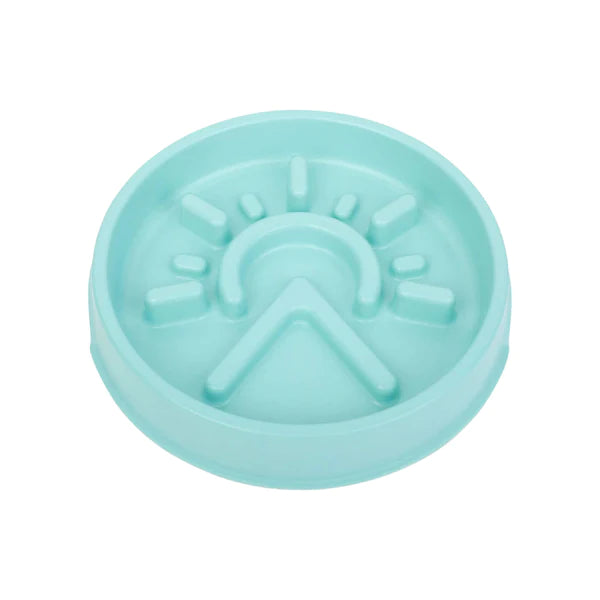
Factor in obesity risk, and make your dog work for his meal. An estimated 25 to 40 percent of dogs are overweight — which can lead to a host of problems, including diabetes, arthritis, herniated discs and ruptured ligaments. You should be able to feel your dog’s ribs under a thin layer of fat. Preventing obesity is ideal, and as any human knows, it’s easier to keep off weight than to take it off. Ask your veterinarian whether she recommends feeding a “light” food.

Nutritionist Sarah Abood, DVM, Ph.D., of Michigan State University, suggests providing your dog thumbnail portions of regular food as treats, and making him do a trick for every meal. Give him the trio command: Sit, Down, Sit, which are like doggie pushups, Abood notes. It’s exercise — and fun.

In the end, there is no single best dog food. Every owner has his own preferences and often chooses foods based on personal experience, referrals from friends or recommendations from vets. And despite the high-profile pet food recall, it affected only about 1 percent of all commercial dog and cat food available at the time, and most recalled foods weren’t associated with illness or death, according to various sources, including the American College of Veterinary Nutrition. There are still many safe pet foods and treats available, assures the American Veterinary Medical Association.

Sally Deneen is a DOG FANCY contributing editor.

 Give us your opinion on
From the Factory to the Bowl

Submit a Comment   Join Club
Earn 1,000 points! What's this?

Reader Comments
good article, thank you
Janet, Bethlehem, PA
Posted: 12/17/2011 6:24:06 AM
Picking a food because it is "well known" is totally useless. The most "well-known" foods tend to be the worst. I suggest these books: "Not Fit For a Dog" by Dr. Michael Fox and "Pet Food Politics" by Marion Nestle. Also: www.truthaboutpetfood.com
Julie, Seattle, WA
Posted: 4/13/2011 6:03:07 PM
I spent 30 minutes writing my comments, I then hit submit comment and my comments disappeared. It doesn't appear with the rest of the comments. You need to perfect this comment window.
Sandy, Rockford, IL
Posted: 2/27/2011 2:06:15 PM
All my readings lead me to believe that the best holistic diet for dogs is raw meat augmented with natural supplements and some veggies. I feed zero grain. Dogs are wolves.
Carole, Lake Worth, FL
Posted: 2/27/2011 9:35:15 AM
View Current Comments

Name:
Address:
City:
State:
Zip Code:
Email:

Ask the Dog Keeper
Buy Now
Cocker Spaniels
Buy Now
House Training
Buy Now
Become a fan of DogChannel on Facebook Follow DogChannel on Twitter Follow DogChannel on Google+ Follow DogChannel with RSS
Get social and connect with DogChannel.


Hi my name's Mack

Visit the Photo Gallery to
cast your vote!