Your E-mail:
Get the latest news, tips and
free advice every month
Cast Your Vote
Which group do you think the 2012 Westminster “Best in Show” winner will be from?
Local Guides


Printer Friendly Bookmark and Share

Go for the Gleam in Your Dog's Coat

Omega fatty acids hold the key to glossy dog coats.

Joanne Healey Howl, DVM

Page 4 of 4

While the health-promoting news about omega fatty acids is exciting, it also has a downside. Too much supplementation can cause diarrhea, which can rob the dog of other vital nutrients. Overly high levels of fatty acids might enhance the spread of one kind of cancer in laboratory animals. "I totally disagree that adding omega 3 to an already well-balanced dog food is needed for the coat, " said Jeff Bennet, president and CEO of Nature's Recipe in Corona, Calif. Bennet stated that a proper ratio of fatty acids in any food product is the key to a dog' s healthy coat.

To maximize health benefits while minimizing side effects, scientists are finding that the ratio of omega 6 to omega 3 is the key. Currently, the optimum range is thought to be about 5-to1. Studies show a ratio of 25-to-1 actually increases the inflammatory response, which means that allergic dogs may get itchier and their coats become dull. A ratio of l-to-l reduced the immune response, opening the door for infection.

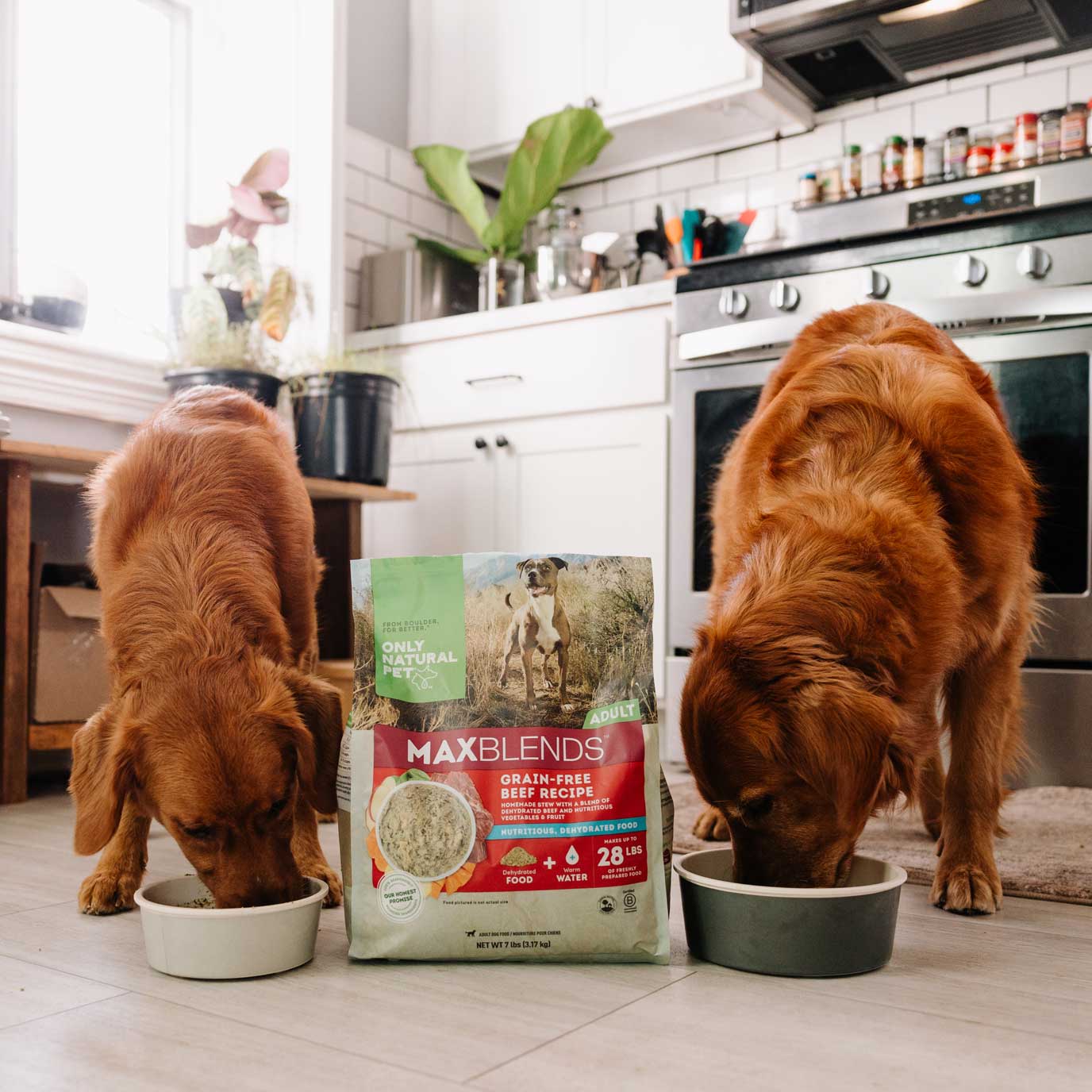
Pet food manufacturers are rapidly responding to scientific breakthroughs. In 1994, Eukanuba added omega fatty acids in a 5-to-1 ratio to its veterinary diet. The animals' response was so dramatic that by early 1995 Eukanuba put its Omega Coat System into all of its over-the-counter diets. Waltham, Purina and Hills have followed suit, each enriching some or all of their pet food lines with omega fatty acids. To find out if your dog food is supplemented with omega fatty acids, look to the label. At present, most manufacturers advertise the change boldly, featuring phrases like "for skin and coat health" on the label. Also check the ingredients. Look for ground flaxseed meal, fish oil, sunflower oil, safflower oil or fish meal. After switching foods, a healthy dog should have a gleaming coat in two to three months.

But food alone won't do the job. Dogs need other basics for a great gloss: a clean environment, careful grooming healthy shampoos, adequate exercise and freedom from disease. Don't forget the dog's emotions, either.

Page 1 | 2 | 3 | 4

 Give us your opinion on
Go for the Gleam in Your Dog's Coat

Submit a Comment   Join Club
Earn 1,000 points! What's this?

Reader Comments
Our 5 month old puppy has dandruff on his coat and he scratches a lot. What should I do to help him. Any help would be appreciated.
I'm using a medicated shampoo, but it seems to make matters worse rather than better.
Nancy, Wellton, AZ
Posted: 10/7/2010 5:11:26 PM
This article on healthy dog coats, I found it to very helpful and interesting. However, I was hoping for more information on effects of allergies to a dogs coat.
Bonbon, NFLD Falls, VT
Posted: 8/16/2009 9:42:25 PM
Helpful article-thanks!
Stephanie, North Canton, OH
Posted: 7/31/2009 8:01:51 AM
View Current Comments

Name:
Address:
City:
State:
Zip Code:
Email:

Dog Bible
Buy Now
Australian Shepherds
Buy Now
Border Collies
Buy Now
Become a fan of DogChannel on Facebook Follow DogChannel on Twitter Follow DogChannel on Google+ Follow DogChannel with RSS
Get social and connect with DogChannel.


Hi my name's Mack

Visit the Photo Gallery to
cast your vote!