














Your Email:
Get the latest news, tips and
free advice every month
What was the reason for your most recent pet store “impulse” purchase?
I liked the special display
I watched a demonstration
Someone in store recommended it
The item was on sale
The item had a promotion I liked
It was a new item I wanted to try
I liked the way it looked
I didn’t make an impulse purchase


Dental Sponges (100 pack)
More Info »
Printer Friendly Bookmark and Share

Preventing Heartworms

For heartworm preventives to work, you must give them on time, every time.

Kyra Kirkwood

Page 1 of 3

Millions of dogs in the United States get no heartworm preventive or get it inconsistently, according to the American Heartworm Society. Although treatable if caught early, heartworm disease is best attacked through prevention.

"It's so inexpensive to prevent the disease and so expensive to treat it," says Sheldon Rubin, DVM, chief of staff at Blum Animal Hospital in Chicago and secretary-treasurer of the Batavia, Ill.-based AHS, which promotes effective diagnosis, treatment, and prevention of heartworm.

About 55 percent of dogs get a heartworm preventive, but a third of those often miss scheduled doses, according to a Gallup survey of 18,000 veterinarians conducted in 2001. "That's where the problem iswith compliance," says Donald Doiron, DVM, of the Doiron-Plauche Veterinary Hospital in Lafayette, La., president of the AHS. Dog owners must medicate their canine companions properly and on time, every time.

What Is It?
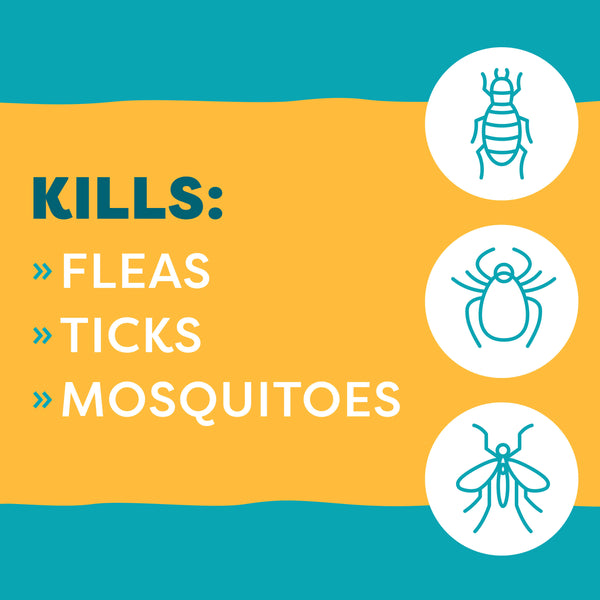
Heartworm disease is exactly what it sounds like: parasitic worms, transmitted by infected mosquitoes, that live in the heart and lungs of mammals, mainly dogs.

With an infected mosquito's bite, larvae enter the dog's bloodstream and find their way to the heart and lungs, where they grow undetected for months. On average, dogs develop symptoms within seven months; by the time symptoms appear, the worms are fully grown.

Heartworms can grow to 10 to 14 inches, causing significant damage to the heart, lungs, and other vital organs.

Dogs at Risk
"Mosquito infection knows no boundaries," says Jan Strother, DVM, of North Alabama Cat and Bird Veterinary Clinic in Hartselle, Ala., an all-animal clinic located in the midst of heartworm country.

Any dog, from an indoor puppy to an outside working dog, can get heartworm if bitten by an infected mosquito. To determine your dog's risk, talk to your veterinarian. Some parts of the country, especially in the South and Midwest, host more heartworm-carrying mosquitoes than others.

Areas with very cold winters usually have a marked mosquito season, and some veterinarians recommend preventives only during that time. Other states, such as Alabama, see mosquitoes all year, so dogs need year-round protection.

Page 1 | 2 | 3

Posted: Wed Feb 4 00:00:00 PST 2004

 Give us your opinion on
Preventing Heartworms
Submit a Comment
Reader Comments
very good article.
mary, portland, ME
Posted: 9/12/2007 3:24:43 PM
View Current Comments

Name:
Address:
City:
State:
Zip Code:
Email:

ABCs of Positive Training
Buy Now
Dog Bible
Buy Now
House-training Your Dog
Buy Now


Hi my name's Sampson*Vote Me DOTD 11/20 &Jasmine16535 DOTM Nov*

Visit the Photo Gallery to
cast your vote!