
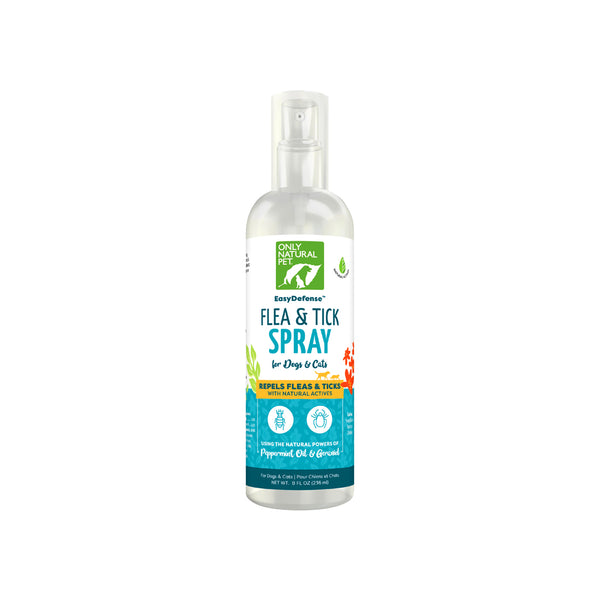
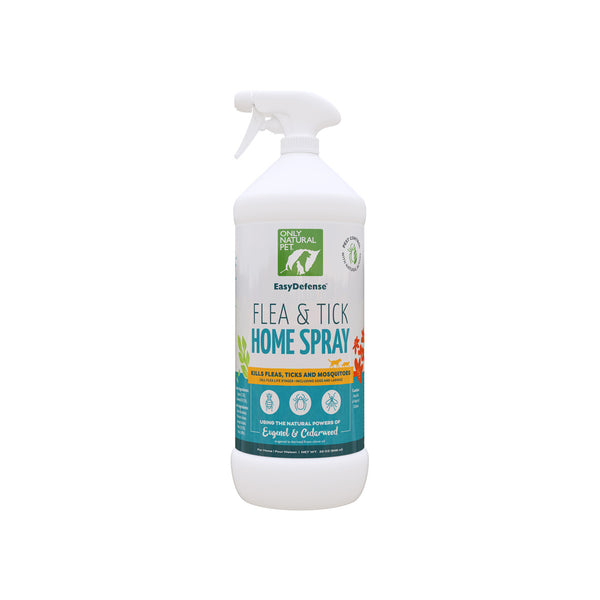
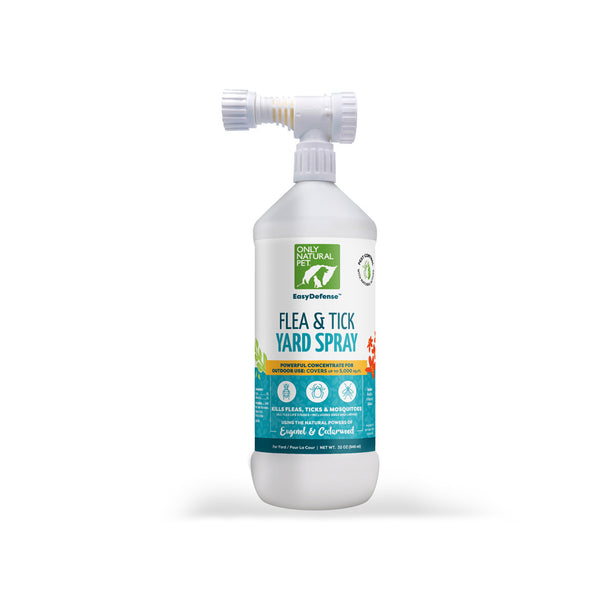

Use powders and sprays outside. "Both the spray and the dust produce fine particulates that you can inhale," Ross said. "To the extent possible, try to do it so you are upwind during the application." Also, some snub-nosed breeds should not be treated with flea powder because of sensitive respiratory systems.
Beware of accidental overdosing by bombarding the dog and its environment with flea killers. "If the same active ingredient is used in both the flea collar and the dip, you're basically double-dosing the animal," said Ross.
Know your pesticides. Pyrethroids, organophosphates and carbamates are the most common adulticides found in topicals. Pyrethrins, derived from the chrysanthemum plant, are considered the safest.
"Natural" doesn't mean nontoxic. Topical products with ingredients such as rotenone (a natural insecticide made from a plant root), d-limonene (oil from citrus peel) or pennyroyal (oil from a mint) can be toxic.
Dips, sprays, shampoos, powders or foams aren't the complete answer to fighting fleas. In fact, some believe advances in flea control may eventually make using topical pesticides obsolete. Until that day comes, though, please use them safely.
Page
1 | 2