











Your E-mail:
Get the latest news, tips and
free advice every month
Cast Your Vote
Which group do you think the 2012 Westminster “Best in Show” winner will be from?
Local Guides


Printer Friendly Bookmark and Share

Dog Nose Losing Pigment

An expert answers your healthcare questions about dogs.

Michael Abdella, DVM

Q. I have a 16-month-old Golden Retriever. He is a beautiful dog except for one thing: His nose is losing pigment. His once-black nose is still black around the edges but pink in the center. Is his nose just sun-bleached, like his ears?

A. You are not alone. I receive many letters regarding changes in nose color and various other nasal conditions.

Many diseases can cause changes in the nose, from simple and benign to severe. Some conditions are limited to the nose, while others involve the whole body, with the nasal changes representing one part of the overall syndrome.

The nose responds in a limited number of ways to a variety of insults and diseases. Lesions can include loss of color or pigment as described here, plus scaling, crusting and thickening, swelling, redness, ulceration and bleeding. Pain may be present.

Onset of changes may be gradual or sudden, depending on the underlying cause. Any age, breed or sex of dog can develop nasal problems or changes, though certain tendencies exist.

Diseases to be considered include benign conditions such as idiopathic (cause unknown) nasal pigmentation, or Dudley nose; seasonal hypopigmentation ("snow nose"waxing and waning pigment levels with change of seasons, less in winter and more i n summer); and loss of pigment after an inflammation.

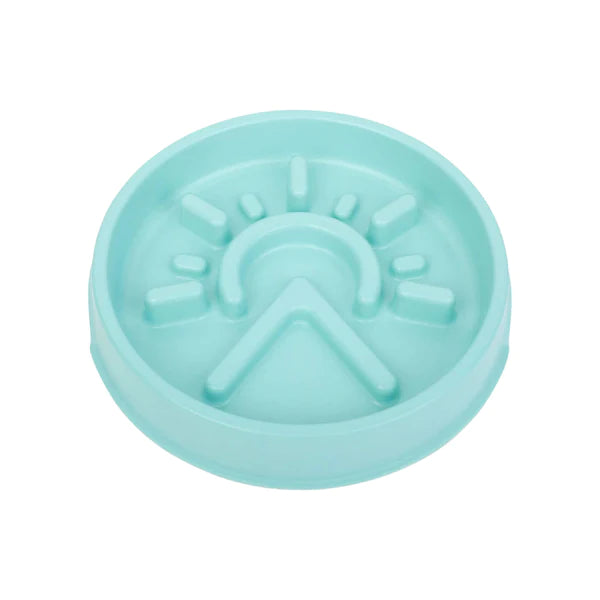
Infections with parasites, fungi or bacteria can cause nasal disease. Injury, burns, hormonal changes and drug reactions can all affect the health and appearance of the nose. Allergy to food dishes (usually plastic), food and inhaled allergens can cause inflammatory lesions and loss of pigment. Excessive sun exposure can cause bleaching and burning of the nose, particularly in dogs that have reduced amounts of color and pigment in the nose to start with. Nutritional deficiencies can affect nose and coat color as well. Some cancers can also affect the nose.

Systemic and localized autoimmune diseases such as vitiligo and lupus-related disorders often involve the nose in affected dogs. In these conditions, the immune system mistakenly attacks the cells of the body, the attachments between cells or the pigment. Early identification in these cases may help to speed treatment and reduce irreversible internal damage.

One cannot always determine the underlying cause of nasal disease based on the appearance of the changes, so it is important a veterinarian evaluate all cases as early as possible. Your veterinarian may not be able to give you a definite answer without further testing, which may include blood work, looking at scrapes or smears of the affected tissue under the microscope, fungal and/or bacterial cultures, biopsy, and allergy testing. In some cases, treatments and management chances may be recommended and further workup left for those lesions that do not respond.

Treatments might include diet changes, diet supplements (such as vitamin E), topical or oral anti-inflammatory medication, antibiotics, antifungals, reduced sun exposure and sunscreens, and elimination of offending allergens. Immunosuppressive drugs, chemotherapy and surgery may be required in severe cases. Many cases may not require any treatment at all, as I suspect in this case, but all should be evaluated.

 Give us your opinion on
Dog Nose Losing Pigment

Submit a Comment   Join Club
Earn 1,000 points! What's this?

Reader Comments
I have three yellow labs all from different litters and range in age from 1 to 9. They basically all have the same diet and it has not changed. They are losing the pigment on their noses. My youngest use to have excellent pigment and still does around the eyes as does the other two. It is now winter and temperatures have been unseasonably cold – could this be a cause? Could it be a vitamin deficiency?
Kim, Wye Mills, MD
Posted: 2/5/2011 3:12:50 PM
I have a Akita that is a little under 3 years old. Her nose started losing pigment at first so i looked up on the internet. It sounded like it was just snow nose, so i figured it would just go away, but now her nose is starting to peel and seem very irritated to were it is almost bleeding. anybodu know what this might be and what i could do for her?
Cory, Reno, NV
Posted: 1/9/2011 8:18:51 PM
I have two dogs from different litters both are Malteses and 3 months apart both were registered as 4 black point and both only have black around the edges of their noses. None have been sunburned nor bitten they passed their physicals with flying colors. Any way to get it back?
Jessica, saugus, MA
Posted: 1/4/2010 3:22:22 PM
good article thanks
janet, bethlehem, PA
Posted: 11/20/2009 4:30:51 AM
View Current Comments

Name:
Address:
City:
State:
Zip Code:
Email:

Border Collies
Buy Now
Dog Training Solutions
Buy Now
Australian Shepherds
Buy Now
Become a fan of DogChannel on Facebook Follow DogChannel on Twitter Follow DogChannel on Google+ Follow DogChannel with RSS
Get social and connect with DogChannel.


Hi my name's Mack -Thank you everyone who voted for me.

Visit the Photo Gallery to
cast your vote!